Bulk Dried Apricots: A Nutrient-Packed Delight for Your Health
Imagine enjoying a chewy, naturally sweet treat that delights your taste buds while also providing numerous health benefits. That’s the charm of dried apricots! These small wonders are not just a delicious snack; they are a powerhouse of nutrients that can enhance your overall well-being.
Texture, Color and Technical Specification
Dried apricots are produced by dehydrating fresh apricots, which reduces their water content, extends their shelf life, and preserves their nutrients. The global market features two primary types: sulphured and unsulphured. Sulphured apricots are brighter in color and have a longer shelf life due to the addition of sulfur dioxide, while unsulphured apricots are darker and favored by organic buyers.
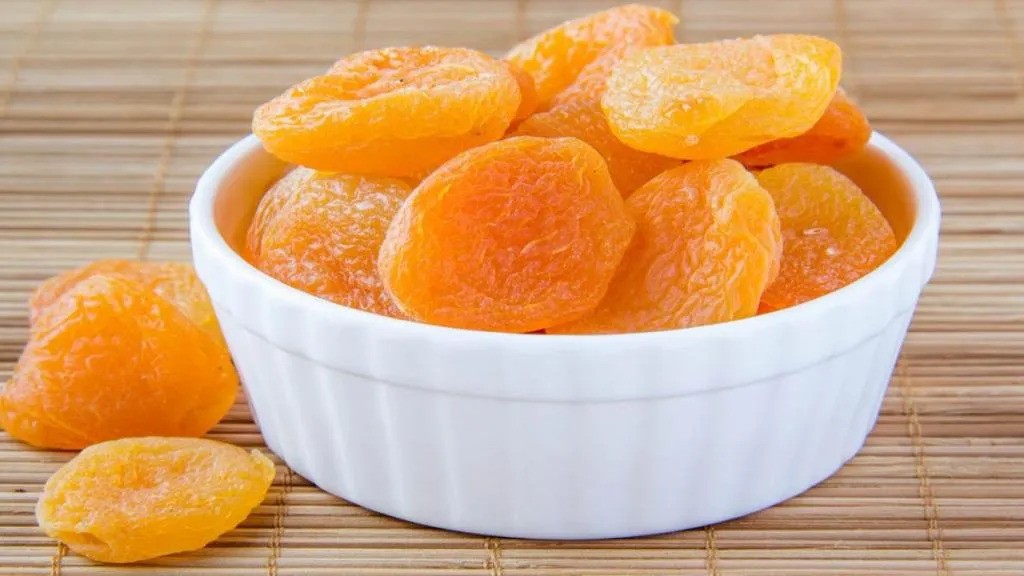
Iranian dried apricots typically have a bright golden-orange color and a soft yet slightly chewy (firm-elastic) texture. They are intensely sweet with a mild natural tartness and a faint apricot aroma. The flesh remains thick and plump. Color can vary by variety and processing: “golden” apricots (often sulfured) dry to a vivid yellow-orange, while unsulfured varieties become deeper amber or brown-black (sometimes called “black” apricots) after sun-drying. Overall, Iranian dried apricots are prized for their uniform bright color, tender chewiness, and rich sweet flavor.
sulphur standard of dried apricot
SO2 standards refer to the amount of sulfur dioxide used to preserve the dried apricots. Sulfur dioxide is a chemical that can prevent browning, mold growth, and insect infestation of dried fruits. However, too much sulfur dioxide can also have negative effects on the environment and human health. That’s why there are SO2 standards for dry apricots that regulate the maximum amount of sulfur dioxide allowed in the packaging. Our products meet these standards. For example, the legal limit of SO2 content in dried has been accepted as 2000 mg/kg in European Union, 2500 mg/kg in Canada and 3000 mg/kg in the United States.
Moisture level of dried apricot
Moisture level refers to the amount of water left in the dried apricots.the Moisture level affects the texture, flavor, and shelf life of the dry apricots. Too much moisture can make the dried fruits soft and sticky, and increase the risk of mold growth. Too little moisture can make the apricots hard and dry, and reduce the nutritional value. That’s why there are moisture level guidelines for dried fruits that recommend the optimal range of water content for the best quality and safety.Normally, they produce dried apricots with normal moisture, max 25%, but they can customize it based on your demand. You can choose the moisture level and the packaging size of your order.
Size of dried apricots
One of the factors that affects the price of dried apricots is their size. The size of this product is measured by the number of fruits per kilogram, and the international standard for this is shown in the table below. The smaller the number, the larger the size of them. For example, a size of 1 means that there is only one dried apricot per kilogram, while a size of 180 means that there are 180 number per kilogram. The size of this dried fruit can vary depending on the variety, growing conditions, harvesting time, and drying methods. Generally, larger sizes are more expensive than smaller sizes, but the taste of jumbo and small sizes are the same.
| size | Pieces in 1kg |
| Jumbo | Max 80 |
| Size 1 | 81-100 |
| Size 2 | 101-120 |
| Size 3 | 121-140 |
| Size 4 | 141-160 |
| Size 5 | 161-180 |
| Size 6 | 181-200 |
| Size 7 | 201-220 |
| Size 8 | Min 221 |
Health Benefits
Nutritional Profile (per 100 g)
Iranian dried apricots are nutrient-dense. Every 100 g contains roughly 241 kcal, 62.6 g total carbohydrates (about 53 g sugars, 7.3 g fiber), 3.4 g protein, and 0.5 g fat. Key micronutrients per 100 g include:
- Potassium: ~1162 mg (≈25% DV).
- Iron: ~2.66 mg (≈26% DV).
- Magnesium: ~32 mg (≈8% DV).
- Calcium: ~55 mg (≈6% DV).
- Vitamin A: ~180 µg RAE (≈20% DV), supplied largely by β-carotene (~2163 µg).
- Vitamin E: ~4.33 mg (≈30% DV).
- Vitamin C: ~1.0 mg (≈1–2% DV).
- Niacin (B3): ~2.6 mg (≈16% DV).
Iranian dried apricots also contain modest amounts of other B‑vitamins (e.g. B6 and folate) and trace minerals. Their rich β-carotene (provitamin A) and vitamin E content give them significant antioxidant capacity. In general the drying process concentrates minerals, fiber and carotenoids: compared to fresh apricots, dried ones have far higher amounts of potassium, iron, fiber and vitamin A per 100 g.
Health Benefits
- Digestive Health: The high dietary fiber (7–8 g/100 g) and natural sorbitol content in dried apricots help maintain healthy digestion and regularity. Fiber adds bulk to stools, and sorbitol can have a mild laxative effect, together preventing constipation. Regular intake of fiber-rich dried apricots supports gut health and promotes smooth bowel movements.
- Antioxidant Protection: Dried apricots are rich in antioxidants. In addition to vitamins A, C and E, they contain various polyphenols (such as chlorogenic acid, catechins and quercetin) that neutralize free radicals. These antioxidants may reduce oxidative stress and inflammation. Studies note that apricots’ flavonoids help protect against chronic diseases (including diabetes and heart disease) by quenching damaging radicals. The high β‑carotene level (a potent antioxidant) in dried apricots is also known to support skin and eye health.
- Cardiovascular Support: The potassium and fiber in dried apricots promote heart health. Potassium helps counteract sodium and can aid healthy blood-pressure regulation. Adequate potassium intake is linked with lower hypertension risk. Dietary fiber may help lower cholesterol levels, further reducing cardiovascular risk. Together with their low fat content, these nutrients make dried apricots a heart-healthy snack option.
- Additional Benefits: Dried apricots provide bioavailable iron (enhanced by accompanying vitamin C) to support red blood cell production and prevent anemia. The calcium and modest vitamin K content contribute to bone health, while vitamin A (from β‑carotene) is vital for immune function and vision. The natural sugars in apricots give quick energy, yet the overall low glycemic load and fiber mean they have a moderate impact on blood sugar compared to refined sweets.